Keeping costs down is one of the biggest challenges in warehousing and logistics. The supply chain consists of many different components, and all incur costs supply chain managers, warehouse managers and logistics managers must control. One way to reduce operating costs is by implementing an automated warehouse system.

Below we look at why warehouse automation is a big priority, how automated warehouse systems work, how they lower operating expenses and their other cost-saving benefits. We’ll also discuss the best automated warehouse systems for decreasing operating expenses, including true-life examples, and how to implement them in your own business.

Book a FREE Loading Assessment

Learn how to make the loading process safer and more efficient with a no-obligation assessment...

BOOK NOW
Slipchain Dock 2

why warehouse automation is a cost-saving priority right now

If a warehouse manager can cut costs safely, legally and without harming operations, they’re likely to do it. It’s one of many different pressures the industry places on them.

Rising Labour Costs and Skill Shortages

One of the biggest challenges for warehouse managers is the savage combination of rising labour costs and a shortage of skilled warehouse workers. Skilled workers are retiring across the industry, leaving major gaps to fill. Companies are slow hiring to reduce operating costs. Warehouse labour costs have risen by around 25% globally since 2019. 76% of logistics operators report ongoing labour shortages

Pressure to Improve Throughput Without Expanding Headcount

In the age of e-commerce, consumers expect to receive their orders increasingly sooner, but warehouses are having to do more with fewer resources. They’re striving for efficiency to process higher volumes of orders in less time. Shopify order revenue reflects a 32% year-on-year increase.

Eliminating Waste and Reducing Damage-related Losses

Incorrect preparation, handling and loading damages goods and incurs wastage. Wasting time or budget addressing errors eats into profits.

Moving Floor Tyres (1)

how automated warehouse systems work

Automated warehouse systems are supporting warehouses better and better, enabling operations to flow and warehouses to reduce operating costs.

From Goods-in to Goods-out: Streamlining Operations

Automated warehouse systems coordinate and streamline lots of processes in warehouses. They support unloading of goods received and transfer of them around the warehouse for storage. They support retrieval of items for packing or loading. They even support the loading of goods into trailers or containers.

Integrating with Warehouse Management and Warehouse Control Systems (WMS/WCS)

Automated warehouse systems integrate to coordinate warehouse processes and work with other warehouse machinery. Some automated warehouse examples are: Warehouse management systems (WMS) are the overarching system. They manage inventory, orders and overall warehouse operations. They determine where orders are stored, how orders are picked and how goods flow. They streamline operation and, in combination with enterprise resource planning systems (ERPs), improve supply chain visibility.

Warehouse control systems (WCS) work below the WMS and control automated equipment in the warehouse. They receive orders from the WMS and convert them into instructions for automated storage and retrieval systems (AS/RSs), robots, conveyors and other automated machinery. WCSs help different automated components work together smoothly, maximise throughput and reduce bottlenecks.

Slipchain Trailer Loading

Removing Bottlenecks in the Loading Bay

Automated warehouse systems play an important part at the loading bay because they remove bottlenecks, which warehouses experience for many different reasons.

Shortage of personnel, delays in transfer of goods to loading bays, weariness of personnel from manual handling, clutter, crowding and late arrival of carriers to collect goods for delivery are all potential causes of bottlenecks.

We have deployed hundreds of ATLS solutions in warehouses and distribution centres globally, across a range of industries such as: FMCG, Packaging, Beverage, Petrochemical, and more. To read more about our experiences and see what customer's say, read some of our automated case studies.


Read Our Case Studies

the cost-saving benefits of automation

Automated warehouse systems are a superb way to lower operating costs. Reducing operating costs examples are:

They Reduce Labour Costs and Overtime Spend

Automated warehouse systems offer a sustainable solution to cope with labour shortages and spending on overtime. The systems reduce dependence on manual labour for strenuous tasks and repetitive ones, allowing operators to hire fewer people or hire them for shorter periods of time and to redeploy existing human resources for other tasks. Therefore reducing operating costs in supply chain management. Our Automated Trailer Loading Systems can be operated by one employee, reducing a typical team of 4-5 operators to just 1, saving an average of 80% on labour and handling.

Slipchain Trailer Loading (1)

They Lower Product Damage and Returns

Automation can reduce damage to goods and equipment and the resultant amount of rework and returns. Forklifts, if not operated accurately, damage goods when collecting them or transferring them from the loading bay onto trailers, whereas Automated Loading Systems enable efficient loading and unloading of trailers without damaging goods. This helps reduce errors, costs and increase profit. ATLS customers commonly report zero loading damage, compared to damage rates of 13.5% when forklifts are used.

Faster Loading to Cut Driver Waiting Charges

Truck drivers receive fines for late deliveries. The last thing they want to see at a loading bay is a bottleneck. Automated warehouse systems accelerate loading and unloading, shortening turnaround times so drivers don’t risk a fine for the excessive waiting time. This is one way of decreasing operating costs, and improving customers experience. You can reduce trailer loading times from 60 minutes per load to only 2 minutes with an Automated Trailer Loading System.

Optimise Energy Use and Floor Space

Warehouse operators don’t want to move to bigger buildings because the higher rent will increase their operating costs. Nor do they want to spend more than they need to on energy. Automated warehouse systems help them to use more vertical space and occupy less floor space, improving operational efficiencies.

The systems can also not only reduce energy consumption in warehouse areas where there are less humans, but today, many systems are engineered to be more energy efficient. Software optimises routes, and operators can adjust settings on equipment so it functions on minimal power. This will reduce operating costs and increase efficiency

Bjelin Video Images 03

which automation systems deliver the biggest savings?

Automated Trailer Loading Systems (ATLSs) like ours reduce operating costs substantially in the long run. These take care of the heavy lifting when loading or unloading trailers and decrease the number of people required for these operations, increasing productivity.

Moving Floor Systems for High-volume, Mixed Loads

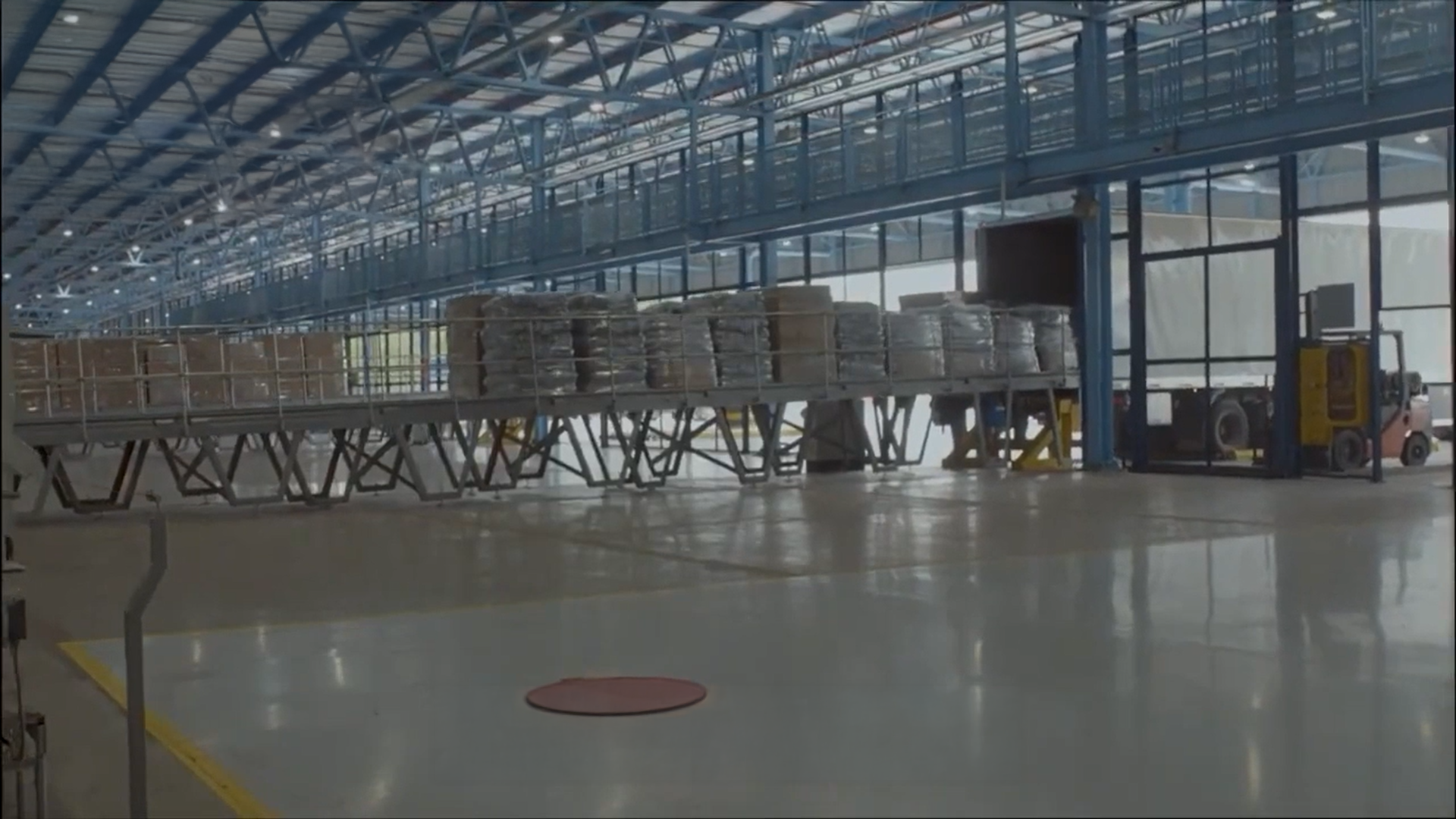
The Moving Floor system is an excellent heavy-duty ATLS that can handle high volumes of palletised, crated or non-palletised goods, including stillages, paper reels and loose parcels. You can either place the load onto the system with a forklift or combine the Moving Floor with a conveyor. The system completes loading in just a couple of minutes and only needs one person to operate it, streamlining business operations.


Learn More
Dsc 1107

Trailerskate for Palletised Freight

The Trailerskate is a simple but efficient system for transferring palletised freight to and from trailers. The system consists of four tracks laid down inside the trailer, plus long skates that perform all the loading and unloading.

Just like the Moving Floor, the Trailerskate allows you to complete loading and unloading in minutes and requires only one person to operate it.


Learn More
Slipchain Multiple Docks Loading Palletised 2

Slipchain for Rapid, One-shot Trailer Loading

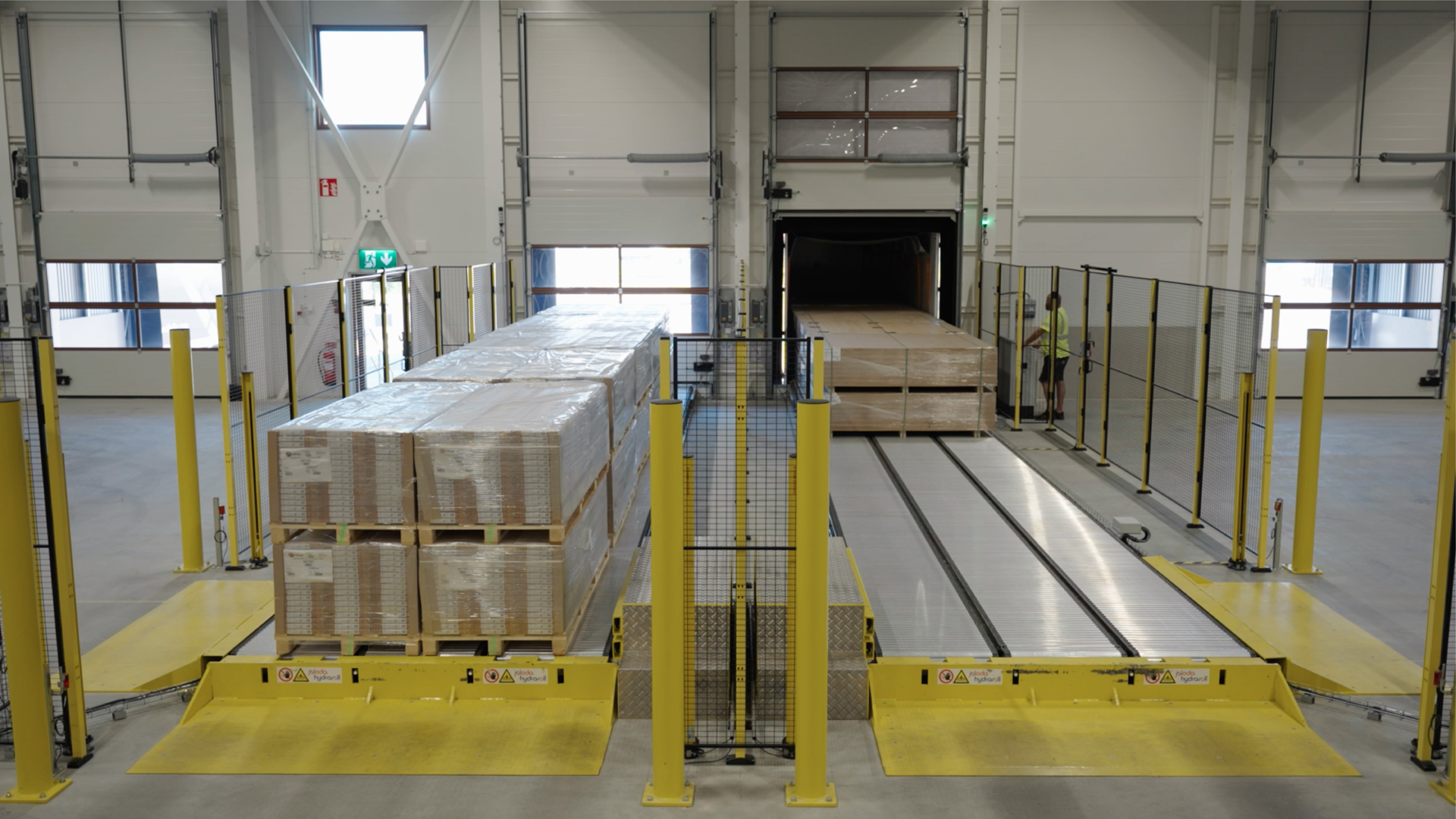
The Slipchain is a durable ATLS for loading pallets into trailers and out of them. This sturdy system features a pneumatic rise-and-fall chain and Rollertrack system to transport the goods.

You can use forklifts or autonomous guided vehicles (AGVs) to place goods on the system or, instead, connect the ATLS to a conveyor. Like the Moving Floor and the Trailerskate, you can load or unload trailers or containers in minutes. Also like the Moving Floor and Trailerskate, the system doesn’t call for major modifications to existing structures or equipment.


Learn More
Loading Method Labour Time Damage Risk
Manual Forklift Loading Typically 3-4 operators per trailer required for loading and unloading 60-90 minutes per trailer, depending on load type and dock conditions High - frequent contact with goods, pallets, trailer walls and dock edges increases risk of product and equipment damage
Automated Trailer Loading Systems (ATLS) 1 operator to initiate and perform the process 2-10 minutes per trailer, regardless of load consistency Very low / near-zero - controlled, linear movement minimises handling errors and product contact

types of automated truck/trailer loading systems

Moving Floor

Learn More

Slipchain

Learn More

Trailerskate

Learn More
Joloda Sales Team

implementing automated trailer loading in your warehouse

How do you implement automated trailer loading in a warehouse?

Assessing your current loading process

Before considering implementing automated trailer loading, assess your current loading process. What’s slowing you down? What’s making it unsafe?

If you’re planning to invest in one of our ATLSs, our experts will visit your site and assess your current facilities to determine the best system(s) for your needs.

We will assess how we can achieve a reduction in manual handling, ensure compliance with workplace safety standards, and achieve risk mitigation


Book a Free Loading Assessment

Integration with Existing Material Handling Equipment

Integration of automation into its processes is challenging, often because of compatibility issues, a lack of training or even resistance to adopting change.

ATLSs like ours can integrate easily with existing equipment because often they require no major modification to existing structures or equipment. Our engineers will install them so the systems function smoothly within your processes.

Warehouse Automation That Lowers Operational Costs (OPEX) English

Calculating ROI: Cost savings vs investment

Automation requires a significant upfront investment, but it will generate a substantial long-term return on investment (ROI) providing strong profit margins. To calculate ROI, review your current costs and what growth looks like in the future first. Then, calculate what the future will look like if you incorporate automation. This entails comparing the CAPEX and OPEX for each piece of automation and comparing them against the current situation. Something to consider is your overall automated warehouse system cost

The automation will achieve ROI when the business recovers what it spends in capital expenditure on the automation through savings in OPEX. This can be within just two years or less.

Typical ROI factors include:

  • Labour cost savings per shift
  • Reduced fleet and forklift usage
  • Lower product damage and claims
  • Faster throughput per dock

Most ATLS operators achieve an ROI in 1-3 years.


Read How Warehouse Automation Lowers OPEX

real-world results: how ATLS cuts operating costs

As an operator in the loading equipment for more than 60 years, we’ve achieved results for numerous companies.

Key Results Summary

Metric Result
Loading time per trailer Reduced from 60 minutes to just 2 minutes.
Pallets handled Over 100,000 pallets loaded and unloaded since 2023.
Forklift usage during loading Eliminated from the loading process.
Product damage during loading Zero damage recorded.

MM Packaging: Loading time cut from hours to minutes

MM Packaging is one of the UK’s market leaders in packaging production and relocated to a plant three times as big as its previous premises. The company required a material handling process that could streamline processes, transport the materials to the warehouse and still handle demand.

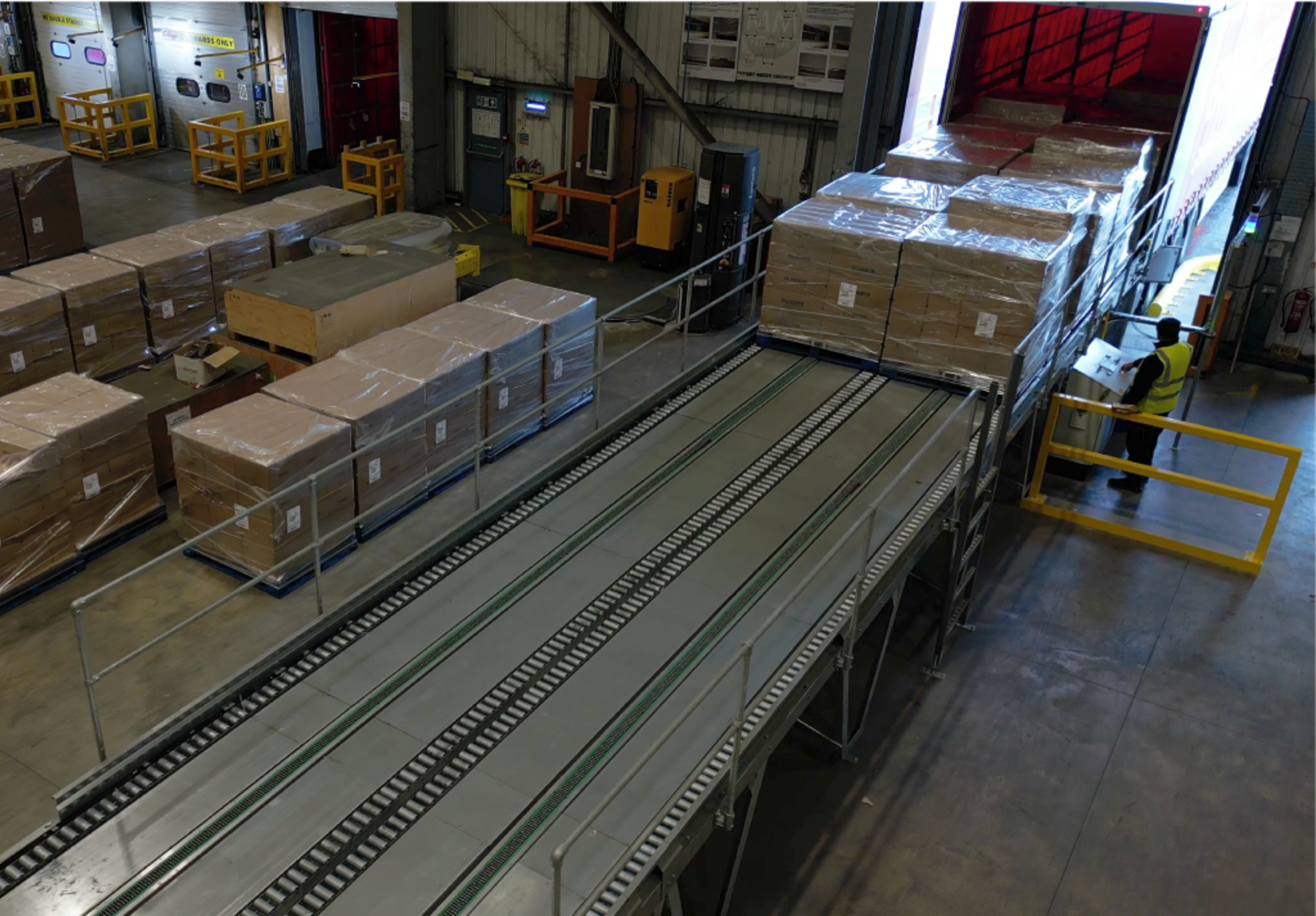
We equipped three trailers with Slipchain Automated Trailer Loading Systems, each able to cope with 26 pallets; three dock lock/levelling mechanisms at the factory loading docks, an install enclosure on the outside to communicate with the systems and conveyor, to enable loading and indexing of pallets, two at a time.

At the warehouse, we installed two Slipchain docks to receive the trailers. When the trailer arrives, the driver reverses it onto the levelling mechanism and plugs into the power and controls. A traffic light indicates when loading can begin, and the driver starts unloading by pressing a button.

Before implementing our systems, MMP would take an hour to load each trailer. At the warehouse, they’d take another hour to unload one. Now, loading and unloading takes just a couple of minutes. Since 2023, when the system was in full implementation, the company has handled almost 100,000 pallets.


Read The Full Case Study
MM Packaging Slipchain (1)

Zero Damage Loading: Eliminating Rework and Claims

Automation heavily reduces damage during loading, which minimises rework and claims for damaged goods significantly. Previously, MM Packaging used forklifts for loading. Use of the Slipchain has allowed the company to fully automate its loading and reduce the risk of damaged pallets and potential claims and rework.

Savings in Labour, Fuel and Carbon Emissions

Implementing an ATLS will help you save significantly on labour. All it takes is the press of a button to load and unload trailers. The Slipchain has removed the need for forklifts to complete the process, enhancing efficiency. Fewer employees are necessary for loading. If they are, they’re required for shorter periods of time and can be more productive.

Besides making loading and unloading safer, the system cuts the costs of owning, operating and maintaining fleet. In the process, it makes the business more sustainable. Operators can reduce the number of trucks and trailers they use to transport and carry goods. This cuts fuel costs, and they don’t need to own and maintain as many vehicles, which reduces operating expenses. The use of fewer vehicles makes loading and unloading more sustainable because there’s less traffic out on the roads. Read more about the sustainability benefits of automation.


Read The Full Case Study

industries we serve

Automotive

Read why customers including Nissan, Mercedes, Audi, Toyota, Honda, GM & BMW rely on our automatic systems to improve efficiency.

Beverage

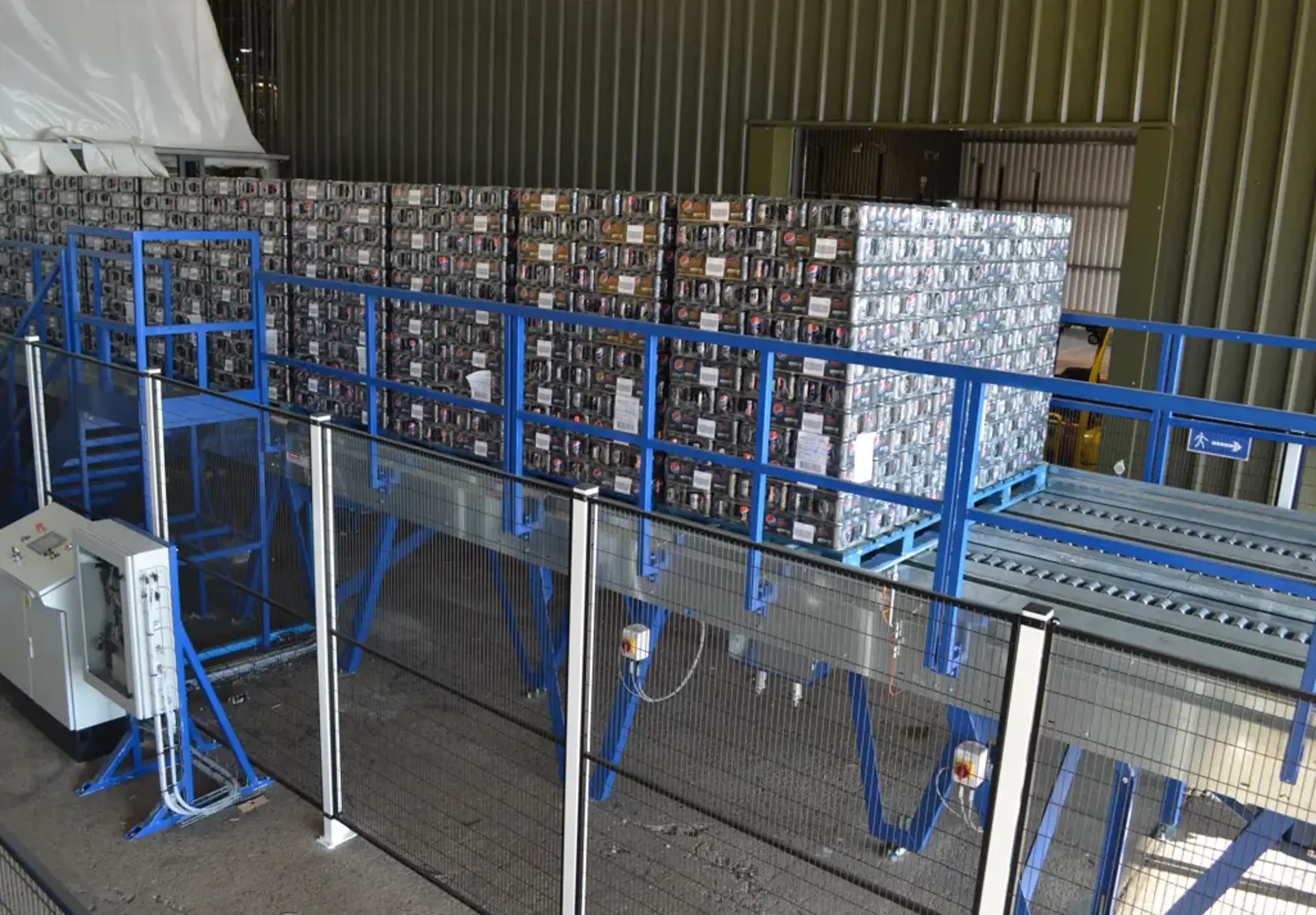
Our automated loading systems ensure your beverage products can arrive on time to their destination in perfect condition, whilst reducing costs!

Complex Cargo

Automated loading for complex cargo eliminates product damage, speeds up turnaround time, and increases safety in outbound logistics.

Contract Logistics (3PL)

Automated Loading in the 3PL industry sets you apart from competitors. Eliminating product damage & 2 minute loading will earn you the best contracts.

Packaging

Our automated loading systems prevent damage in the high-volume packaging industry. The Safest, most efficient way to load palletised packaging.

Fast Moving Consumer Goods (FMCG)

Reduce labour costs, product damage & loading time. Improve safety, throughput & efficiency with automated loading for palletised & unpalletised FMCG.

Petrochemical Loading Solutions

Automated loading is essential in the Petrochemical industry, ensuring the safety of employees and protecting goods. Save 80% labour & handling costs.

futureproofing your warehouse for growth

Using an ATLS helps to futureproof your warehouse for growth.

Scalability of Moving Floor, Trailerskate and Slipchain Systems

ATLSs may require investment upfront, but businesses should factor in their plans for growth when considering whether to go ahead with the spend. The Moving Floor, Trailerskate and Slipchain systems improve every aspect of the loading process, such as loading and unloading more within the same timeframe. This is essential for any business that envisages processing a higher volume of orders and growing.

Slipchain Unloading Palletised Beverage

Adapting to Market Fluctuations Without Adding Headcount

The support of an ATLS will prove invaluable for coping with peaks and troughs in demand. Warehouses face the big challenge of having enough bodies to cover operations without harming profitability.

An ATLS reduces worries about underspending or overspending on personnel to cover loading and unloading. Its efficiency allows the ATLS to support the warehouse adequately so it can cope with surges in demand.

turning cost pressures into competitive advantage

Higher operating costs heap extra financial pressure on businesses, but implementing automation can help turn things around. Not only by investing in the right automated technology can you reduce operating costs, but also, by harnessing the other benefits of automation, become more competitive.

Why Joloda Hydaroll’s ATLSs are the Smartest Next Step in Warehouse Automation

Investing in one of our automated trailer loading systems affords you the best of both worlds. In the long run, you reduce operating expenses by saving on personnel for loading and unloading, reducing the size of your fleet and the number of forklifts, and lowering your fuel costs and overheads such as energy costs and rental, which generates ROI within two years.

At the same time, you’ll boost productivity and set yourself up for growth. Loading and unloading trailers quicker will shorten turnarounds and remove potential bottlenecks caused by delays or surges in demand. The system will make it easier to cope with higher volumes of orders, reducing the need for more loading docks and a move to larger premises.

Joloda Sales Team

schedule a consultation

speak to the experts

Contact us today for a consultation session with a member of our Systems team.

During the consultation, a Joloda Hydraroll Group Systems Expert will speak with you about your business' current logistics operations, plans and goals. 

We have over 60+ years of experience providing cutting-edge technological solutions to the logistics industry and have helped countless companies around the world lighten their load.  


Book a FREE Loading Assessment

automated trailer loading in action

frequently asked questions (FAQ)

What percentage of warehouse operating costs are labour-related?

Labour typically accounts for 50-70% of total warehouse operating costs, making it the single largest cost driver in warehousing.

Rising wages, skills shortages, overtime, and high staff turnover all contribute to increasing labour spend, which is why many operators turn to warehouse automation to reduce dependency on manual handling and repetitive tasks.

How can automation help reduce warehouse operating costs?

Warehouse automation reduces operating costs by lowering labour requirements, minimising product damage, and increasing throughput. Automated systems such as Automated Trailer Loading Systems (ATLS) can cut loading times from over an hour to just minutes, reduce the number of operators required, and eliminate common causes of rework, returns, and damage-related claims.

What are the most effective ways to reduce warehouse operating costs?

The most effective ways to reduce warehouse operating costs include automating labour-intensive processes, improving loading bay efficiency, reducing product damage, and optimising space and energy usage. Automation at the loading dock is particularly impactful, as it addresses labour, time, safety, and damage costs simultaneously without expanding warehouse footprint.

How does automated trailer loading reduce warehouse labour and time costs?

Automated trailer loading systems reduce labour by allowing a single operator to load or unload a trailer at the push of a button. They also reduce loading times from 60 minutes to as little as 2 minutes, reducing driver & truck waiting charges, order delays, and improving overall warehouse throughput.

Is automated trailer loading suitable for existing warehouses?

Yes. Most automated trailer loading systems are designed to integrate with existing docks, trailers, forklifts, AGVs, and conveyors without major structural changes. Experienced providers assess each site to ensure compatibility, safety, and ROI, making ATLS a practical cost-reduction solution for both new and existing warehouse operations.
contact us

Not sure who to contact? Fill in our query form and we’ll set you on the right path.

NEWS LETTER Iconartboard 1 NEWS LETTER Iconartboard 1

sign up to our newsletter

Subscribe to our newsletter to have the latest industry news and updates delivered straight to your inbox.  

Sign up now

catch up on our latest news...

want help lightening your load?

Let's Chat