If you’re not familiar with the ins and outs of logistics and supply chains, you’ll often see ‘air freight’ and ‘air cargo’ used interchangeably. You might think they mean the same thing, but they don’t always, and the distinctions matter.

Below, we look at the difference between air cargo and air freight, and why it’s so important in the transportation of goods by air.

Book a FREE Loading Assessment

Learn how to make the loading process safer and more efficient with a no-obligation assessment...

BOOK NOW
CD & RSD With ULD

what is air cargo?

'Air cargo' describes shipping goods by air when referring to the items themselves. ‘Air freight’ and ‘air cargo’ are generally the same; however, ‘air cargo’ and ‘air freight’ can mean a difference in the merchandise being shipped versus the money charged for the shipment.

The airline industry uses ‘air cargo’ to describe any property (freight, express or mail) except baggage transported by air. ‘Air cargo’ can describe commercial and non-commercial goods.

All kinds of items are transported by air and deemed air cargo. Technological items, pharmaceuticals and medical supplies, perishable items (such as fish, exotic fruit, and cut flowers), textiles, hardware and consumer goods are all air cargo items.

types of cargo

There are two main categories of air cargo: general cargo and special cargo, which is divided into subsections.

General Cargo

General cargo covers a wide variety of items, including consumer types of goods and electronics, except for mobile phones, laptops and tablets. General cargo items don’t need special handling or packaging. Most everyday items are general cargo.

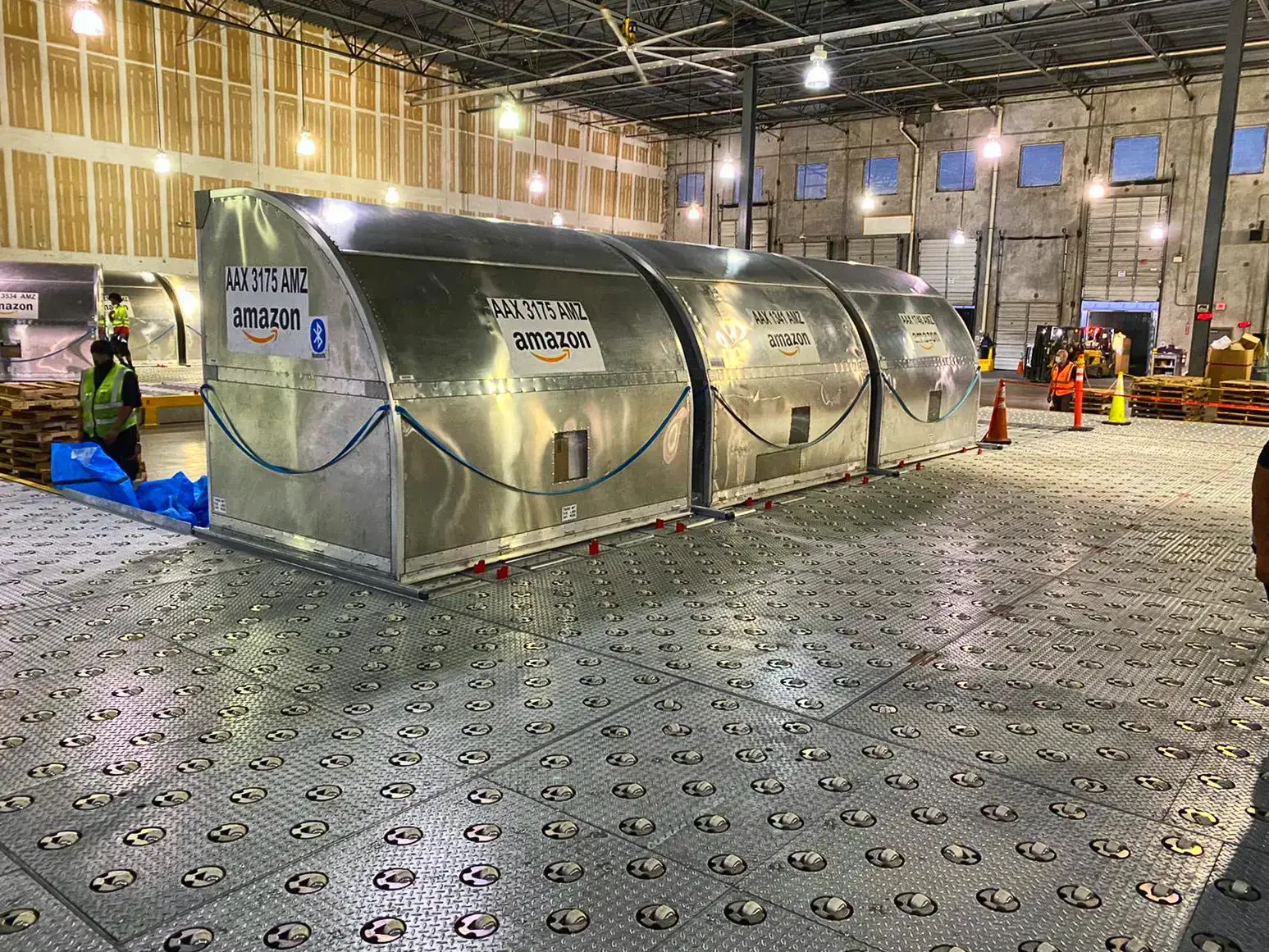
Amazon ULD MRS Air Cargo

Special Cargo

Special cargo is more complicated. The nature, weight, dimensions or items’ value requires them to have specific packaging, labelling, documenting and handling throughout the supply chain. Operators must comply with specific regulations when preparing, offering, accepting and handling this cargo. Special cargo items include:

  • Dangerous goods
  • Perishable cargo
  • Wet cargo
  • Time- and temperature-sensitive cargo
  • Live animals.

To harmonise standards and provide guidance on special cargo transportation, the International Air Transport Association (IATA) has three different boards:

You can learn more about these types of cargo on our Air Cargo Handling Solutions page.


Read More
Dolly Dock PMC (1)

how air cargo is handled

When handling air cargo, operators must follow the Master Operation Plan (MOP), which details the steps they must take. These are:

  • Booking and planning of the shipment before it leaves the facility;
  • Receipt and acceptance of the cargo for shipment;
  • Preparation of the cargo for air transportation;
  • Transportation of the cargo terminal to the aircraft, in line with IATA’s Cargo Handling Manual;
  • Loading of the cargo onto the aircraft, following the loading plan, and a note is made of any special arrangements for special cargo.

You can find more details on this process on our Air Cargo Handling Solutions page.


Read More

what is air freight?

Air freight is a specific category within air shipping and refers to the shipping of commercial goods by aircraft or freight services. Additionally, it encompasses logistics, costs and regulations.

Freight also refers to the amount due or money charged for the shipment, known as ‘freight costs’ or ‘freight charges’.

Air Cargo Loading

how air freight works

Despite the complexity of air freight operations, the process is relatively straightforward:

  1. Book and plan: confirm shipment details, select a carrier and book a slot.
  2. Prepare and package goods: package goods securely, prepare necessary documents and verify compliance with shipping regulations.
  3. Wait for freight collection and consolidation: the cargo is collected and placed with other shipments to optimise space and costs.
  4. Clear with customs: the freight must meet customs import and export requirements, including inspections and possible duties.
  5. Transport by air: a cargo plane or commercial aircraft will fly the goods, depending on weight, size and urgency.
  6. Arrival and delivery: customs check the shipment at the destination airport, and then the goods make their onward journey to their final destination.

Air freight is often used by operators and organisations in or supporting:

  • E-commerce
  • Manufacturing
  • Humanitarian aid
  • Perishable goods
  • Pharmaceuticals.

key differences: air cargo vs air freight


Air Cargo

Air Freight

Overview

Term for all goods transported by air

Specific logistics service for commercial shipments

Shipment size

Small parcels to full pallets

Typically large, bulk or industrial shipments

Transported by

Passenger planes or dedicated cargo planes

Dedicated cargo aircraft arranged by freight forwarders

Includes        

Freight, mail, express parcels

Only freight (B2B)

Best for         

Small businesses, couriers, eCommerce

Large-scale, time-sensitive commercial logistics

Cost

More cost-effective for small shipments

Higher because of the bulk nature of transportation

TD, PR, SP Webp

why the difference matters

Understanding the difference between ‘air cargo’ and ‘air freight’ helps businesses to communicate better with carriers, freight forwarders and internal teams when planning an international shipment.

However, the importance of knowing the difference between these terms isn’t just about communicating well with carriers; it’s essential for operating the business well. Why is air cargo important?

Cost Efficiency

The fact that ‘air freight’ includes more services has a powerful impact on business costs. The rapid transportation of goods by air freight shipments can also reduce inventory costs and holding costs, and choosing the right service can lower transportation costs because of how the goods are loaded together.

Speed and Reliability

Cost isn’t the only thing to consider when opting for air freight or air cargo. Speed is crucial. One advantage of air freight is speed and efficiency. Businesses may opt for air freight when the goods are time- or temperature sensitive and they’re counting on a whole range of services to ensure the goods arrive.

Handling and Compliance

An air freight operator can ensure compliance throughout the entire process, including handling. When dealing with large or complex shipments, an air freight service is the better choice, whereas if you’re a small company making a straightforward shipment, air cargo could be the way to go.

Powered cargo roller being used to safely load an areoplane engine

the advantages of air cargo transportation

Fastest Global Delivery Method

Transportation by plane is the fastest delivery method for global trade, as it gives operators access to almost any destination. The planes can cover vast distances and deliver goods in hours. Nevertheless, it’s worth noting air freight is slower than express courier, ideal for short delivery times, which works with small parcels, whereas air freight deals with large shipments of goods.

High Security Due to Airport Safety Controls

Airport security controls around cargo are tight, which makes air transportation the safest, most secure method. The speed of air transportation and minimal human intervention, especially when using suitable air cargo handling equipment, creates less scope for damage, theft or loss of goods.

Reliable Schedules with Minimal Delays

Air transport is highly reliable because there are frequent departures and minimal delays, whereas in the case of sea freight, unfavourable weather conditions can delay transportation heavily.

Using our Ground Handling and air cargo systems will afford you these benefits because you can move goods safely around airport warehouses, to and from cargo terminals and onto the aeroplanes themselves. This safe, efficient handling of goods helps you to keep air freight operations quick, safe and on schedule.

Air Cargo Airside Loading

the disadvantages of air freight

Higher Costs

Air freight is significantly more expensive than either road freight or sea freight. Jet fuel, labour, airport fees and regulations, special handling and maintenance all cause costs to mount up.

Limited Cargo Capacity and Size Restrictions

One of the biggest drawbacks of air freight is that size, weight and hazardous goods restrictions limit how much an aircraft can carry legally. Excessively large, bulky or heavy shipments are unsuitable for transfer by aircraft.

Environmental Impact (higher CO₂ emissions)

There are concerns about the environmental impact of air freight, due to the higher greenhouse gas emissions than sea freight. The industry is working to address this.

Restricted Goods List

Safety is paramount, and air freight is subject to many restrictions. What is not allowed in air cargo? Explosives, flammable items and gases are either heavily regulated or outright prohibited. Toxic, corrosive or infectious substances, radioactive materials and lithium batteries are also either completely forbidden for transportation by air or, in some circumstances, are subject to heavy regulation.

Using our Air Cargo Equipment, however, can help you overcome some of the setbacks of transporting air freight. They increase loading capacity, which reduces costs, and help you handle items with care. Our air cargo handling systems also enable you to optimise the limited space in aircraft, which also lowers costs, or in trailers as part of a road feeder service.

ULD Moving On Powered Rollerbed

when should you use air freight?

  • When you need to deliver the goods quickly or urgently, such as in the case of humanitarian aid or perishable goods.
  • When shipping high-value goods (and the goods’ value justify the premium costs of air freight).
  • When shipping sensitive goods.
  • When minimising inventory downtime is essential.
  • When wishing to reach inaccessible or remote areas.
  • When wishing to enhance the security of the freight.

The pharmaceutical, automotive and tech industries all benefit heavily from air freight.

how air freight and air cargo work together

‘Air cargo’ might describe goods and ‘air freight’ the method of transportation process, but the two concepts are part of the same ecosystem because, ultimately, the goal is the same: to move goods from A to B by air.

How Freight Forwarders Move Air Cargo Globally

As complicated as air freight can be, the freight forwarding process is straightforward:

PCR Rollerbed Isuzu Wymap Curtainsider
  1. Collection, road transportation and storage: following collection from the origin address, the freight forwarder transports the goods to a storage warehouse or airport one. There the goods are screened, weighed and measured.
  2. Export formalities and space reservation: the freight forwarder reserves space with the airline and, to confirm the booking, prepares and sends the airline the required export documentation.
  3. Preparation for flight: the freight forwarder consolidates the goods into unit load devices (ULDs), but not everything might go into a ULD. Some may be scanned as ‘loose’ cargo.
  4. Ready for take-off: the freight forwarder delivers the ULDs and loose cargo to the airport cargo terminal, and the airport moves it to the aircraft to get it ready for loading;
  5. Checks and unloading: when the aircraft lands, the airline checks and unloads the goods into the airport cargo terminal, and the freight forwarder collects it and transports it to an import warehouse;
  6. Customs clearance: the freight forwarder either delivers the goods or ensures final-mile distribution. If you’ve not pre-cleared the goods, the freight forwarder may be able to arrange this for you.

our air cargo solutions

Air Cargo Loading Solutions

Enhance your air cargo loading & unloading with our solutions. Our Rollertrack systems ensure safe, fast, and efficient loading of air cargo pallets & ULDs.

Ground Support Equipment

Ground service equipment is important for efficient airport operations. Discover aircraft handling equipment from Joloda Air Cargo Equipment

Air Cargo Handling

Our innovative air cargo handling solutions are designed to streamline your air freight operations and enhance efficiency for aircraft cargo handling.

ULD Storage

Suitable ULD storage and handling is essential for working with ULDs at airports. Discover how to store and handle ULDs better with Joloda Air Cargo Equipment

choosing the right option

‘Air freight’ is a specific category that refers to the transportation of commercial goods and includes the logistics, costs and air transportation regulations, whereas ‘air cargo’ generally refers to the goods themselves and can include personal goods, mail and parcels.

How Do You Choose The Right Service?

When choosing between air cargo transportation and air freight, you must consider several things.

  • Are you transporting in bulk, in which case air freight could be better, whereas air cargo transportation is better for smaller, lighter ones and for e-commerce.
  • Where are the goods going, and how fast do you need them to arrive? Air freight tends to cover long distances faster.
  • Are the goods high value? Industrial? Is the shipment commercial, which would make air freight more suitable, whereas air cargo will be better for personal goods.
TD & PR PMC & Trailer (4)

How Our Equipment Supports Air Cargo and Air Freight Operations

Air freight is fast-moving, and our equipment supports ground support and logistics teams involved in:

  • Transferring air cargo from air cargo terminals and warehouses to the aircraft or from it;
  • Loading or unloading the goods from trailers into cargo handling hubs or from it;
  • Moving cargo around the warehouses themselves or storing it in them;
  • Offering Road Feeder Services (RFS), such as Australian company, Skyroad Logistics, who provide RFS to all major airports in the country and who we helped cut costs, scale loading capacity and reduce lead time with the Modular Rollerbed System: Air Cargo.

Our Air Cargo Equipment
Tromp MRS PCR 11

Modular Rollerbed Systems (MRS)

Systems such as the Modular Rollerbed System: Air Cargo are specially designed to handle ULDs and bulky cargo easily. The systems are modular, which allows businesses to scale up their loading and unloading easily, and are easy to install in trailers.

Our Modular Rollerbed System: Warehouse supports ground handling and logistics teams at airport warehouses, and the road feeder services who work together with them. The system can manage and store air cargo pallets, ULDs and regular pallets easily. Alternatively, Castor Decks can be used in conjunction with our Roller Storage Decks and ULD Racking systems.

The Powered Cargo Roller will remove the majority of manual handling during loading and unloading air cargo. With the press of a button, the systems powered rollers will automatically bring air cargo to the front or back of the trailer. This system is designed to handle air cargo pallets and oversized air cargo, and can cope with pallets of up to 20,000 kilos effortlessly.


Learn More

These systems not only lighten the load for anyone who must handle air cargo at airports and other facilities, but also makes the operation safer. This is especially important when working with special cargo. Workers can load and unload goods without damaging them and, at the same time, still optimise space.

case studies

contact us

our partnership process

Globe Icon

We consult

Coordinate with stakeholders on site to find the right solution for you

Joloda Icon Cogs (1)

We design

In-house adaption, manufacturing and production capabilities

Joloda Icon Plane

We implement

Entire air cargo handling solutions

High Quality Design

We support

Maintenance, servicing and emergency call out services

air cargo handling equipment within cargo hubs

We provide the below systems to make your cargo handling process safer and more efficient. We design, manufacture, install, and maintain the equipment to ensure you operations run smoothly.

Truck Dock (20FT)

truck docks

Truck Dock Systems are advanced cargo handling solutions that streamline the transfer of goods between trucks, warehouses and vehicles. These systems optimise workflows by reducing manual handling, ensuring precise alignment and improving efficiency in high-demand logistics and air cargo environments.


Learn More
Powered Rollerbed Render Website Block 1

powered rollerbed

The Powered Rollerbed is an advanced material handling solution for streamlining the loading and unloading of unit load devices (ULDs), pallets and air cargo containers. Equipped with motorised rollers, the Powered Rollerbed eliminates the need for manual handling, which makes operations faster, safer and more efficient.


Learn More
Castor Deck Render Website Block

castor decks

A Castor Deck is a versatile cargo handling system that facilitates the easy movement and positioning of heavy loads through a manual or semi-manual cargo system. This system consists of a deck equipped with heavy-duty castors, providing efficient mobility for unit load devices (ULDs), pallets or other heavy cargo items.

It is essential for operations that require the flexible movement of goods across various environments, including warehouses, loading docks, and air cargo terminals. The freight can be rotated in tight spaces so that logistics teams can push or pull the product in any direction required.


Learn More
Slave Pallet Render Website Block 2

slave pallets

Slave Pallets (also known as Mobile Work Stations) are innovative material handling platforms that streamline the movement, storage and transport of unit load devices (ULDs) in air cargo and logistics operations. These heavy-duty pallets enable efficient handling of air cargo containers in warehouse and airport environments using forklifts, reducing the need for complex machinery while improving workflow efficiency.


Learn More
Storage Racking Render Website Block

racking & storage

Air cargo Racking and Storage equipment is a specialised solution designed to organise, store and handle goods efficiently within air cargo terminals, logistics hubs and warehouses. These systems, which include Container Storage Racks, Pallet Storage Stillages, and Pallet Storage Racks, help you optimise space while maintaining easy access to essential cargo.

Whether you're managing unit load devices (ULDs), pallets or containers, air cargo racks and stillages boost productivity, streamline operations and ensure safety in fast-paced environments where space is at a premium.


Learn More

our air cargo equipment

Slave Pallets

Learn More

Powered Rollerbeds

Learn More

Castor Decks

Learn More

Scissor Lifts

Learn More

Truck Docks

Learn More

Pallet Mover

Learn More

Build Station

Learn More

Ancillary Equipment

Learn More

Racking & Storage

Learn More
Global Icon 01

OUR NETWORK

a global leader, with local partners

Around the world, we’re known as the number one; the global leader in loading and unloading solutions. This is not only because we are the largest but also the first too; we've been pioneering loading solutions since 1962.

What truly makes us great is our fantastic product assortment supported by the best partners worldwide. We have an experienced network of 30+ distributors that also support an aftersales network, which is key, especially for automatic loading and unloading. 

Learn more about our global distributor network here.


Learn More
Joloda Sales Team

schedule a consultation

speak to the experts

Contact us today for a consultation session with a member of our Air Cargo Equipment team.

During the consultation, a Joloda Hydraroll Group Air Cargo Expert will discuss your current cargo handling operations, challenges, and goals to help you find the best solution.

We have over 60+ years of experience providing cutting-edge technological solutions to the logistics industry and have helped countless companies around the world streamline their operations.  


Book Now

frequently asked questions (FAQ)

Is air freight the same as air cargo?

Air freight and air cargo are related but not identical terms. Air cargo refers to the goods transported by air, including commercial goods, mail and parcels. Air freight describes the commercial logistics service, covering transport, handling, documentation and freight charges.

What is the fundamental difference between air freight and air cargo?

The fundamental difference is that air cargo describes what is being moved, while air freight describes how commercial goods are moved by air. Air freight includes logistics services, regulatory compliance and cost management, and is typically used for B2B, bulk or time-sensitive shipments.

What are the main types of air cargo?

The main types of air cargo are general cargo and special cargo. General cargo includes everyday goods that do not require special handling. Special cargo includes dangerous goods, perishables, time- and temperature-sensitive cargo and live animals, all of which must meet strict IATA requirements.

How do air freight and air cargo differ in terms of cost, speed and environmental impact?

Air freight is faster and more reliable than other transport modes but comes with higher costs and greater CO₂ emissions. Air cargo, particularly smaller or consolidated shipments, can be more cost-effective.

Improving load efficiency is key to reducing both cost and environmental impact. Joloda Hydraroll’s air cargo systems help optimise space, reduce handling time and support more efficient air freight operations.

NEWS LETTER Iconartboard 1 NEWS LETTER Iconartboard 1

sign up to our newsletter

Subscribe to our newsletter to have the latest industry news and updates delivered straight to your inbox.  

Sign up now

catch up on our latest news...

want help lightening your load?

Let's Chat